The 1st PPAVI Student Research and Vocational Conference 2026
PPAVI Student ReVo Conference 2026
Empowering Student Innovation, Applied Inquiry, and Vocational Excellence for Sustainable Futures
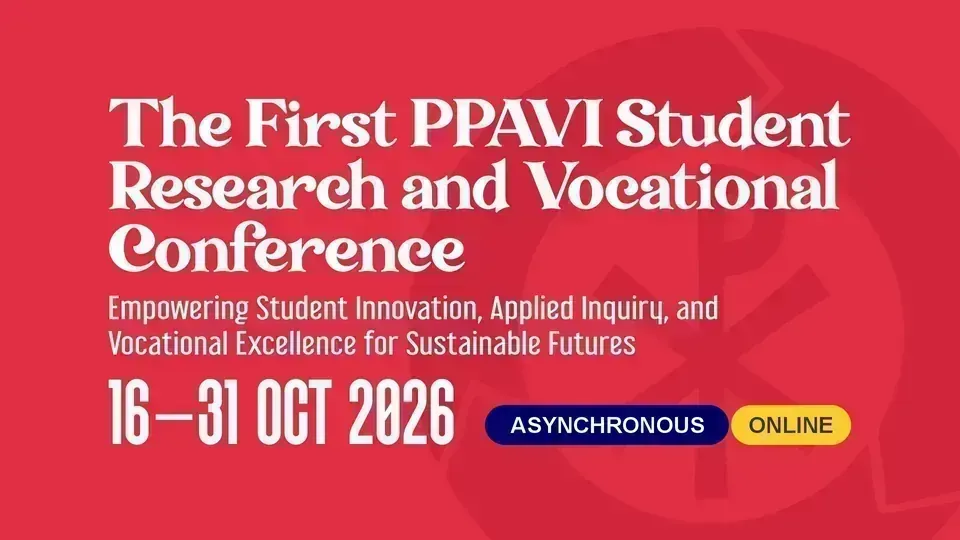
An asynchronous PPAVI student conference for oral and poster presentations, designed to showcase student research, applied inquiry, vocational projects, and early scholarly work across PPAVI member institutions.
Background: Students in vocational higher education need a structured academic space to present applied research, project-based learning outputs, community-oriented innovation, and discipline-specific ideas in formats that are accessible across institutions. An asynchronous conference model allows students from health and nursing, STEM and maritime technology, business, social sciences, humanities, and economics to participate without being limited by travel, synchronous scheduling, or institutional calendar differences. The conference also introduces students to scholarly communication, peer learning, presentation ethics, supervisor-guided refinement, and publication pathways.
Goals: provide an inclusive PPAVI student research forum; encourage oral and poster presentation practice; strengthen supervisor-supported student scholarship; promote cross-institutional exchange among PPAVI member institutions; document applied student innovation across symposium clusters; develop selected outputs toward full-paper submission; and build a recurring student conference series connected to PPAVI proceedings and member journals.
Expected outcomes: accepted student abstracts, asynchronous oral presentation videos, digital poster presentations, reviewer and audience engagement, best presentation recognition by symposium and presentation type, full-paper submissions for editorial review, selected publication in PPAVI Conference Proceedings Series or PPAVI member journals, and a sustainable model for future student research and vocational project dissemination.
Organizing Committee
-
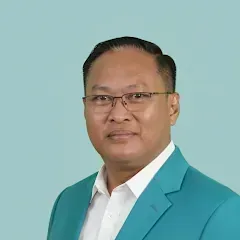 ChairRomanus Edy Prabowo, S.Si., M.Sc., Ph.D.Sekolah Tinggi Ilmu Komputer Yos Sudarso
 -
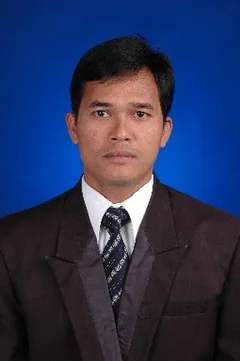 MemberAgus Sekti Susila Atmojo, S.Pt., M.Si.Sekolah Tinggi Ilmu Ekonomi Bentara Persada Batam
 -
 MemberAntonius Trijuni DiliantoPerkumpulan Pimpinan Akademika Vokasi Indonesia
 -
 MemberBenedicta Djarwati Muljani, S.Sos., M.AB.Universitas Katolik Widya Mandala Surabaya
Scientific Committee
-
 ChairYosita Lianawati, S.Kom, M.Kom.Sekolah Tinggi Ilmu Komputer Yos Sudarso
 -
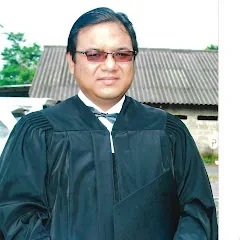 MemberChristy Mahendra, S.S., S.Kom., M.Kom.Sekolah Tinggi Ilmu Komputer Yos Sudarso
 -
MemberElizabeth Ari Setyarini, S.Kep., M.Kes., AIFO.Universitas Santo Borromeus
-
MemberKristian Cahyandi, SE, M.Si.Akademi Maritim Nusantara Cilacap
Attendee registration is supported.
Selected full papers may be published in PPAVI Conference Proceedings Series.
Registration and Presentation Fees
Registration Fee: Presenter Oral
until 30 Sep 2026, 23:59 WIB
Presentasi Oral (Rekaman Video)
Registration Fee: Presenter Poster
until 30 Sep 2026, 23:59 WIB
Presentasi Poster
Publication Fee: Proceeding Article Processing Charge (APC)
Save IDR 50,000
All submitted full papers will be translated and published in the ISSN conference proceedings.
Symposia, Tracks, and Topics

Symposium on Health Futures, Nursing Innovation, and Community Wellbeing
Applied health education, nursing practice, public health, community care, and wellbeing innovation.
-
ChairElizabeth Ari Setyarini, S.Kep., M.Kes., AIFO.Universitas Santo Borromeus
-
 Co-Chairapt. Verawaty, S.Si., M.Farm.Akademi Farmasi Prayoga Padang
- Digital nursing education
- Community-based screening
- Patient safety and care quality
- Maternal and child health
- Health literacy
- Wellbeing intervention
- General Health
Symposium on Applied STEM, Maritime Technology, and Sustainable Engineering
Science, maritime studies, engineering, technology, informatics, and applied technical innovation.
-
ChairYosita Lianawati, S.Kom, M.Kom.Sekolah Tinggi Ilmu Komputer Yos Sudarso
-
Co-ChairChristy Mahendra, S.S., S.Kom., M.Kom.Sekolah Tinggi Ilmu Komputer Yos Sudarso
- Sustainable engineering
- Maritime operations
- Prototype testing
- Data dashboard
- IoT monitoring
- Educational technology
- General STEM
Symposium on Business Transformation, Social Innovation, Humanities, and Sustainable Economy
Business, economics, management, social sciences, humanities, entrepreneurship, and sustainable economy.
-
ChairKristian Cahyandi, SE, M.Si.Akademi Maritim Nusantara Cilacap
-
Co-ChairValentino Bayu Ikasev Dwisika, S.KomSekolah Tinggi Ilmu Ekonomi Bentara Persada Batam
- MSME digitalization
- Accounting practice
- Sustainable entrepreneurship
- Community engagement
- Applied communication
- Digital humanities
- General HASS